- Gerhard Swart Medical Orthotist and Prosthetist
- 012 751 5088
- 082 388 0488
- info@gsmop.co.za

EPD Enterprise Products Partners LP Stock quote
February 2, 2023550+ Best Software Developers for Hire In September 2023
February 3, 2023Content
In colleges, it’s viewed as a badge of honor to be able to drink more than your peers. Withdrawal is the earliest phase of recovery, when the body is initially exposed to the absence of alcohol in the system. For many users, this is one of the most difficult times to avoid relapse.
- Relapse rates for drug use are similar to rates for other chronic medical illnesses.
- Those ways are essential skills for everyone, whether recovering from addiction or not—it’s just that the stakes are usually more immediate for those in recovery.
- That’s about the same as relapse rates among people with asthma or high blood pressure if they stop taking their medicine.
Cravings can be dealt with in a great variety of ways, and each person needs as array of coping strategies to discover which ones work best and under what circumstances. One strategy is to shift thinking immediately as a craving arises. Another is to carefully plan days so that they are filled with healthy, absorbing activities that give little time for rumination to run wild. Exercise, listening to music, getting sufficient rest—all can have a role in taking the focus off cravings. And all strategies boil down to getting comfortable with being uncomfortable.
Statistics on Addiction Treatment
According to the Centers for Disease Control and Prevention, this is a fairly broad category, including people with mood disorders like depression, current and former smokers and those with obesity. 24% of all Americans over the age of 50 with an alcohol use disorder were able to attain a long term recovery. 25% of all Americans over the age of 40 with an alcohol use disorder were able to attain a long term recovery.
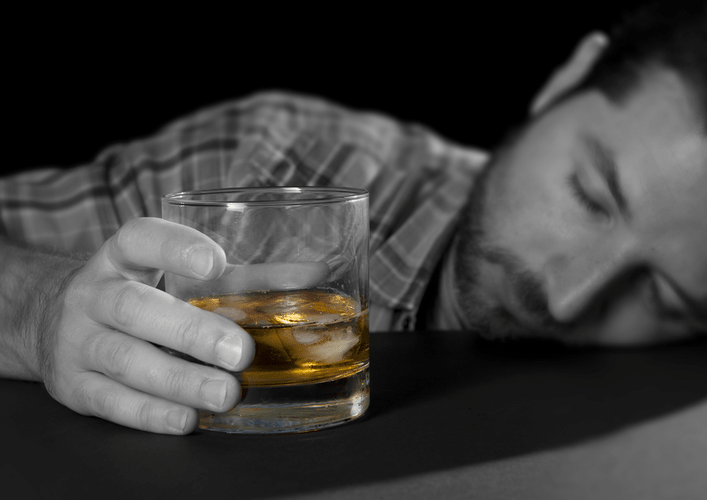
These results add to growing evidence that participation in treatment and/or AA contributes to better short-term alcohol-related outcomes. Write out both your recovery plan and your relapse prevention plan. Next to each, add the techniques you and your therapist or support team have come up with to manage it. Alcohol relapse doesn’t mean that you or your treatment program has failed.
Description of factors influencing relapse in SUD
To avoid relapse after a slip, many people attend support group meetings or therapy sessions. If you’ve been in a program, immediately connect with your counselor, therapist, support group, or mentor. Recommit to your self-care plan, especially activities that eased stress and other emotional triggers. Addiction to alcohol can have negative consequences, affecting every aspect of your life including work, school, and relationships. Fortunately, with treatment, you can end your addiction to alcohol and live a high quality of life in recovery. For example, they may attend clinics that provide detox but not therapy.
In addition, feelings of guilt and shame are isolating and discourage people from getting the support that that could be of critical help. Helping people understand whether emotional pain or some other unacknowledged problem is the cause of addition is the province of psychotherapy and a primary reason why it is considered so important in recovery. Therapy relapse rate alcoholism not only gives people insight into their vulnerabilities but teaches them healthy tools for handling emotional distress. Creating a rewarding life that is built around personally meaningful goals and activities, and not around substance use, is essential. Recovery is an opportunity for creating a life that is more fulfilling than what came before.
